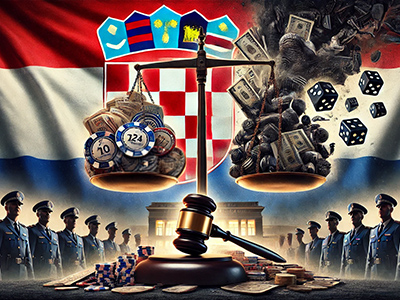
Regulations governing Croatia’s gambling industry are undergoing significant changes, with authorities implementing new measures to counteract the rise of illicit gaming operations. Despite stringent regulations, black market gambling remains a persistent issue, prompting lawmakers to refine their approach to enforcement. These latest amendments focus not only on shutting down unauthorized platforms but also on restricting financial transactions that sustain them. Additionally, new advertising rules and tax revisions are set to reshape the industry landscape.

Efforts to eliminate unregulated gambling in Croatia have historically relied on an IP blocking strategy, which has led to the restriction of approximately 900 illegal gambling websites. However, despite these measures, unauthorized operators continue to find ways to circumvent these restrictions. Recognizing the limitations of IP blocking alone, the Croatian government is now shifting its strategy towards a more effective deterrent—cutting off their access to financial transactions.

Under the new regulatory framework, authorities will target payment providers that facilitate transactions between Croatian players and black market operators. By blocking these financial connections, the government aims to disrupt the profitability of illegal gambling enterprises, ultimately discouraging their operations within the country. This approach aligns with strategies seen in other jurisdictions, which have proven to be more effective than solely relying on website bans.

Strengthening Protections Against Problem Gambling

In addition to addressing illicit gambling, the updated laws introduce measures to minimize the risks associated with problem gambling, particularly among younger individuals. One of the key provisions includes stricter advertising regulations designed to reduce exposure to gambling promotions. The new rules mandate that gambling advertisements will no longer be permitted between 6:00 AM and 11:00 PM, significantly reducing their visibility during hours when younger audiences are more likely to be engaged. Furthermore, the use of celebrity endorsements in gambling-related advertisements is strictly prohibited, and all promotional content must refrain from targeting individuals under the age of 18.

The legislative changes also incorporate the implementation of a national self-exclusion scheme, enabling individuals to voluntarily ban themselves from participating in gambling activities. Additionally, a significant restriction has been placed on self-service betting terminals in public spaces such as restaurants, further limiting access to gambling opportunities.

Adjustments to Taxation and Licensing Fees

The overhaul of Croatia’s gambling laws also includes notable revisions to the tax system. The proposed changes involve raising the tax thresholds on gambling winnings, thereby impacting the way player earnings are taxed. Under the new system, taxation brackets will be adjusted as follows:

  • Winnings up to €1,500 will be taxed at 10%.
  • Winnings between €1,500 and €4,000 will be taxed at 15%.
  • Winnings between €4,000 and €70,000 will be subject to a 20% tax.
  • Winnings exceeding €70,000 will incur a 30% tax rate.

Furthermore, the cost of operating within the regulated gambling market is set to increase, with land-based and online casino license fees rising by 50%. Meanwhile, licensing costs for land-based betting shops will see an even steeper hike of 50.7%. These increased fees are expected to boost government revenues while ensuring that licensed operators contribute more significantly to state funds.

Top Blackjack casinos
Overall Rating: 97
Overall Rating: 96
Overall Rating: 95

A New Era of Gambling Regulation in Croatia

The Croatian government’s latest gambling reforms mark a significant shift in regulatory strategy, according to the analysis published by Vivo Gaming. By focusing on financial enforcement rather than just restricting website access, authorities are adopting a proactive approach to dismantling black market gambling operations. Additionally, measures aimed at reducing problem gambling and revising taxation policies reflect a broader commitment to creating a safer and more responsible gaming environment.

While the long-term impact of these changes remains to be seen, if successful, Croatia’s approach could serve as a model for other countries grappling with similar challenges in the gambling sector.

Source:

“Croatian Gambling Laws Reworked to Address Black Market Activity“, vivogaming.com, March 26, 2025.