













Get The Latest Live Casino Promotions
Discover Casinos
Discover Tables
Discover Providers
Discover Games
Discover Deposit Methods
Best Live Casinos
Popular In UK
Top Live Dealer Tables
Native Tables
Game Guides
Other Pages
Best Software Providers
Popular List
Best Payment Methods
Most Popular
Best Bonuses
Our Favourite Offers
Country Specific Pages
Popular List

Dutch Gambling Tax Hike Backfires, Fueling Unregulated Play

Posted on August 11, 2025 | 10:03 am
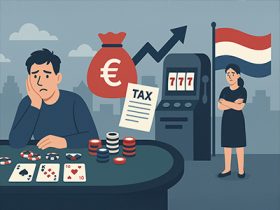
Dutch-Gambling-Tax-Increase-Causes-Issues-1

When the Netherlands raised its gambling tax earlier this year, the goal was simple: collect more money for public services and keep the online betting sector firmly under control. But a few months on, the outcome is far from what lawmakers envisioned.

Rather than boosting state coffers, the change has squeezed legal operators, driven players away from licensed sites, and encouraged a shift toward unregulated betting platforms — a trend with both economic and safety consequences.


Read More

Why the Tax Was Introduced

On July 1, 2024, the government increased the gambling tax rate from 29.5% to 30.5%. The measure was designed as a budget patch, avoiding cuts to other public programs. At face value, the adjustment seemed minor and relatively painless.

But gambling tax policy rarely exists in isolation. Higher rates often mean regulated operators must find ways to offset the cost — usually by reducing bonuses, introducing tougher wagering requirements, or increasing fees. Players tend to notice, and when they do, some decide to leave regulated channels altogether.

Read More

Revenue Slips Instead of Rising

The Netherlands Gambling Authority has observed a surprising reversal since the tax hike. Instead of the projected €202 million boost in tax income, preliminary figures indicate nearly €200 million less than expected.

The shortfall is likely linked to two converging factors: fewer people are using legal platforms, and more are heading to unlicensed sites that offer better incentives, according to the analysis published by Vivo Gaming. These offshore operators typically operate outside Dutch jurisdiction, meaning they contribute nothing to the national tax base and do not comply with local consumer protection laws.

Read More

The Attraction - and Danger - of the Black Market

Many unregulated sites lure players with higher payouts, fewer restrictions, and generous bonus offers. For some bettors, those perks outweigh the risks of operating outside the law.

The regulated Dutch market, by contrast, enforces strong safeguards: identity verification, responsible gaming tools, and strict measures to keep minors away from gambling.

This erosion of player safety is a growing concern for regulators. The migration to the black market not only undermines revenue collection but also leaves participants more vulnerable to fraud, addiction, and data misuse.


Read More

A Broader Policy Challenge

The Netherlands’ experience underscores the fine balance required in gambling regulation. Taxes fund essential services, but if set too high, they risk distorting the market. In this case, even a one-percentage-point increase appears to have shifted player behavior in ways that weaken the regulated system.

Other countries with similar frameworks may see this as a cautionary tale: to maintain a strong legal market, policy must account for what players value — accessible gameplay, fair odds, and attractive rewards — alongside the need for compliance and safety.

Top Poker casinos

up to

£30

Overall Rating
92

100% up to

₹15000

Overall Rating
91

100% up to

€100

+ 50 Free Spins

Overall Rating
88
Read More

Room for Recovery

While the current outcome is problematic, there is room to address it. Operators committed to regulation and player-focused innovations could help draw customers back to the legal market. Meanwhile, policymakers have an opportunity to reassess how fiscal decisions align with player retention and market sustainability.

Ultimately, effective regulation should protect players, allow businesses to remain viable, and ensure the public benefits from tax revenue. The recent Dutch gambling tax increase may have fallen short of that ideal, but with careful recalibration, the balance between safety, profitability, and public funding can still be restored.

Source:

“Dutch Gambling Tax Increase Causes Issues“, vivogaming.com, August 6, 2025.

Read More