Stepping it Up in the Nineties
By 1992, the team were going strong, and the gambling industry was going stronger. New mega-casinos were springing up across the globe, and the MIT Blackjack Team decided it was time for them to get serious too. In nearby Connecticut, Foxwoods Casino was opened and Kaplan, Massar and Chang made plans to train new players there.
A new company, Strategic Investments, was formed, funded by friends and partners who had seen 100% return rates on their previous investments. In total, these trusted companions managed to raise $1 million to put into the new enterprise. The new system was to involve three main players: the spotter, the controller and the big player.
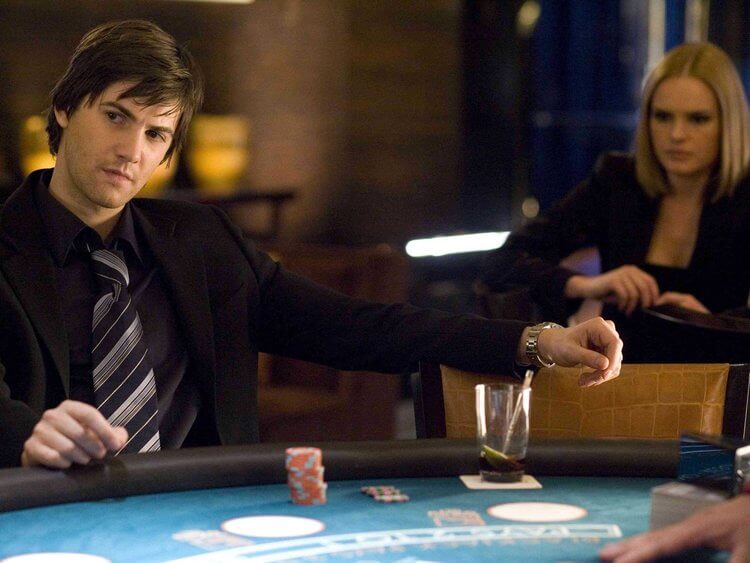
The spotter’s goal was to count cards to check when the deck went positive, while the controller would verify the spotter’s count by making small bets and wasting money. The big player would be signalled in once the controller had found a positive. This player would then place a large bet, and win a lot of money.
Kaplan, Massar and Chang decided to amp up their training and recruitment methods to make the most of this new opportunity, having gained confidence from the new funding.
Unsure what he wanted to do with his life at 22 years old, Mike Aponte was one of the students chosen to gamble for the team. Aponte slowly perfected his card counting skills through the team’s training, and was then handed a whopping $40,000 with which to hit the casinos.
In Atlantic City, Aponte reached a blackjack table and lost $10,000 in the first ten minutes.
Greeted by an executive casino host, Aponte was taken to a penthouse suite with all the proper furnishings: pool table and hot tub included. Still upset about losing the money, he didn’t enjoy the room as much as he’d hoped he would.
Even with a scientifically proven system, Aponte had just learnt exactly how risky a game of blackjack could be. All the same, he trusted the team’s methods and kept playing them, finally returning to college with profits of around $25,000.

 Kaplan moved to Las Vegas following his undergraduate graduation in 1977, having delayed his postgraduate admission for a year.



.png)