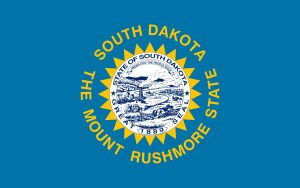
 Gambling in South Dakota looks very different from most other states. Unlike conservative neighbors, South Dakota allows a much wider range of land-based gambling. Commercial casinos operate legally in several parts of the state. In addition to casinos, the Mount Rushmore State also permits video lottery terminals in certain areas. Charitable gaming, including bingo and raffles, is legal when run by approved organizations.
When it comes to online gambling, the picture changes. South Dakota does not have a state-regulated online casino market. Residents cannot legally play real-money online slots or live dealer table games through a local government platform. Online sports betting is also not legalized statewide. In practice, this means South Dakotans can legally gamble in person, but they have limited legal options for online play.
If we look at the context, this is a large but sparsely populated state with just under 900,000 residents. The economy relies heavily on agriculture, government services, tourism, and healthcare. Farming and ranching remain central to many rural communities, while tourism plays a major role in areas like the Black Hills, Mount Rushmore, and Deadwood. Gambling contributes more visibly to the local economy than in many states because of the casino industry in Deadwood. Casino taxes and tourism spending support jobs in hospitality, entertainment, and local businesses. Still, gambling does not dominate the entire state economy.
The profile of active gamblers in South Dakota reflects both rural and tourist influences. Many local players tend to be middle-aged or older adults who visit casinos in Deadwood or play video lottery machines in neighborhood establishments. Men participate more heavily in table games and sports-style betting activities, while women are more active in slot machines, bingo, and casual gaming. Younger residents, especially those in their twenties and thirties, show growing interest in mobile and online-style entertainment, even though legal online options inside the state are limited. Average gambling spending varies widely. Regular casino visitors tend to spend more per trip, while casual lottery or video lottery players usually bet smaller amounts over time.
Recent developments in South Dakota gambling law have focused more on maintaining the existing system than on major changes. Lawmakers have not moved toward legalizing online casinos or statewide online sports betting. Most debates center on regulating video lottery machines, casino taxation in Deadwood, and consumer protection.
The state continues to update rules for responsible gambling and problem gambling support, especially in areas with high casino activity. At the same time, public discussion has grown around whether younger residents should have safer, regulated online options instead of relying on offshore sites.